[asp.net mvc] Error Message - chung mà riêng
Bạn có đang dùng Entity Framework với ASP.NET MVC, cùng với đó là client-validation?
Đối với mỗi ```DataAnnotation`` attribute, bạn lại có 1 câu thông báo lỗi khác nhau, và bạn nhét tất cả chúng vào Resource?
Có một số cách giúp bạn khắc phục một vài nhược điểm trên ;)
1. Generic Customized Error Message
Generic tức là chung chung. Dùng chung 1 câu thông báo cho nhiều property cùng loại, chỉ thay đổi các yếu tố cần thiết
Ví dụ:
Tên phải chứa ít hơn 15 ký tự
Địa chỉ phải chứa ít hơn 150 ký tự
Trong ví dụ trên, phần tên, địa chỉ, 15, 150 là những tham số ta phải thay đổi cho câu thông báo. Vậy làm bằng cách nào?
Mò vào source code của từng loại DataAnnotation, chúng ta sẽ thấy 1 số điều thú vị
Source code cho DataAnnotation https://github.com/Microsoft/referencesource/tree/master/System.ComponentModel.DataAnnotations/DataAnnotations
Tất cả các Attribute đều override lại method FormatErrorMessage. Mò vào từng implementation của các attribute, ta sẽ biết thứ tự các biến tham số của error message.
| Attribute | Source code | Giải thích |
|---|---|---|
| StringLength | String.Format(CultureInfo.CurrentCulture, errorMessage, name, this.MaximumLength, this.MinimumLength); return; |
{0} = name, {1} = MaximumLength, {2} = MinimumLength |
| Compare | String.Format(CultureInfo.CurrentCulture, ErrorMessageString, name, OtherPropertyDisplayName ?? OtherProperty); return; |
{0} = name, {1} = OtherPropertyDisplayName / OtherProperty |
| MinLength | string.Format(CultureInfo.CurrentCulture, ErrorMessageString, name, Length); return; |
{0} = name, {1} = Length |
Như vậy, thay vì ta phải viết thẳng từng câu error message, ta chỉ cần dùng string.Format với thứ tự chính xác của các tham số
Ví dụ với trường hợp StringLength
[]
public string Name { get; set; }2. Error Message Localization
Thực ra thì chiêu sau đây không những giúp bạn localize string của Error Message, mà bất kỳ đoạn string nào bạn muốn
Bạn phải tạo một file Resource trong project (.resx) để sử dụng
Thông tin thêm ở đây: https://docs.microsoft.com/en-us/aspnet/core/fundamentals/localization
2.1. Nếu bạn có Resharper
Resharper là một sản phẩm hỗ trợ dev kha khá của JetBrains
Đặt con trỏ tại một string bất kỳ -> Resharper -> Refactor -> Move…
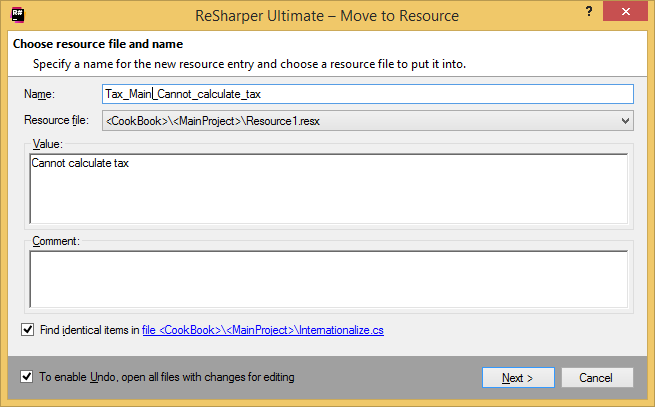
Resharper tính phí bản quyền
2.2. Nếu bạn muốn dùng hàng miễn phí
Visual Studio có một extension rất hay là RestXManager. Chức năng của nó thì tương tự như Resharper, thậm chí còn nhỉnh hơn một tí
- Open source
- Active Development
- Hỗ trợ dịch text
Bạn có thể tìm và tải trực tiếp trong Visual Studio: Tools > Extensions and Updates > Online > search "ResXManager"
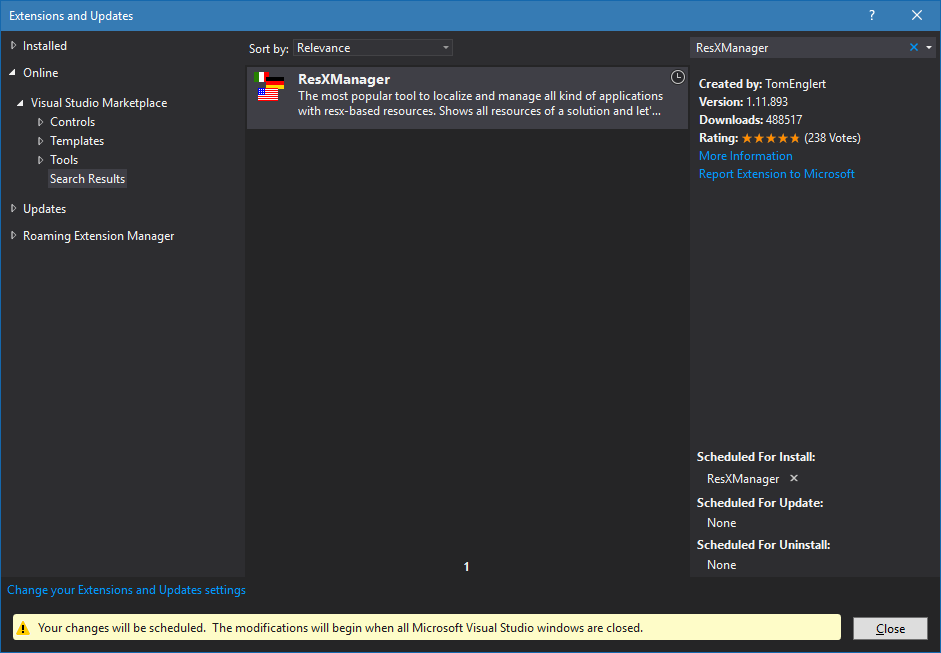
hoặc
tại link sau: https://marketplace.visualstudio.com/items?itemName=TomEnglert.ResXManager
Sau đó, tương tự như Resharper, đặt con trỏ tại một string bất kỳ > Chuột phải > Move to Resource
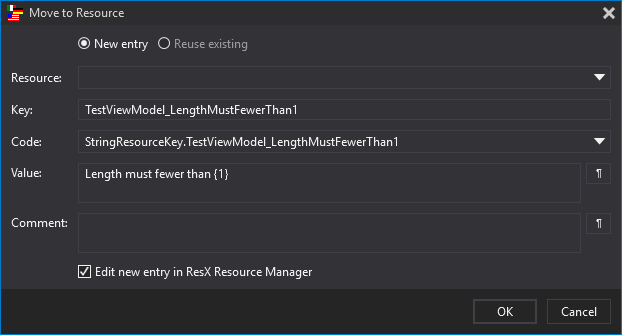
Còn một số chiêu khác với những loại DataAnnotation khác nữa bạn nhé