Machine Learning - 1.1 - Introduction
The opening post of a self-study Machine Learning series. The basic concepts are introduced in this post.
See the other posts at Machine Learning Course Structure
1. What is machine learning
There are 2 definitions of machine learning:
The field of study that gives computers the ability to learn without being explicitly programmed.
Arthur Samuel
The second definition:
A computer program is said to learn from experience E with respect to some class of tasks T and performance measure P, if its performance at tasks in T, as measured by P, improves with experience E.
Tom Mitchell
It reads long-winded, but put it in an example and it’s immediately clear:
Playing chess
- E(xperience): the experience of playing chess (the more you play, the better you get).
- T(ask): the task is playing chess.
- P(robability): the chance that the computer wins the next game.
2. The categories
Every Machine learning program can be split into 2 kinds:
- Supervised Learning
- Unsupervised Learning
2.1. Supervised Learning
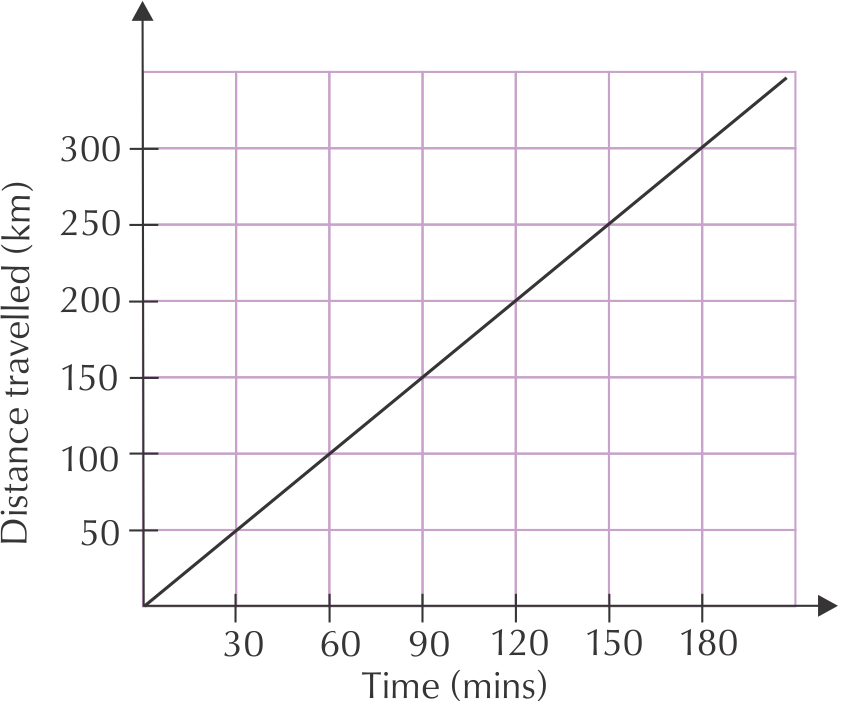
In this kind we know the input data and the results in advance. Imagine it as a kind of chart.
Based on this chart we can predict the relationship between the input and the output. Then, given any input, we can compute the output.
Supervised learning splits into 2 kinds: regression and classification.
2.1.1. Regression
Based on the relationship between input and output, we predict the result
2.1.2. Classification
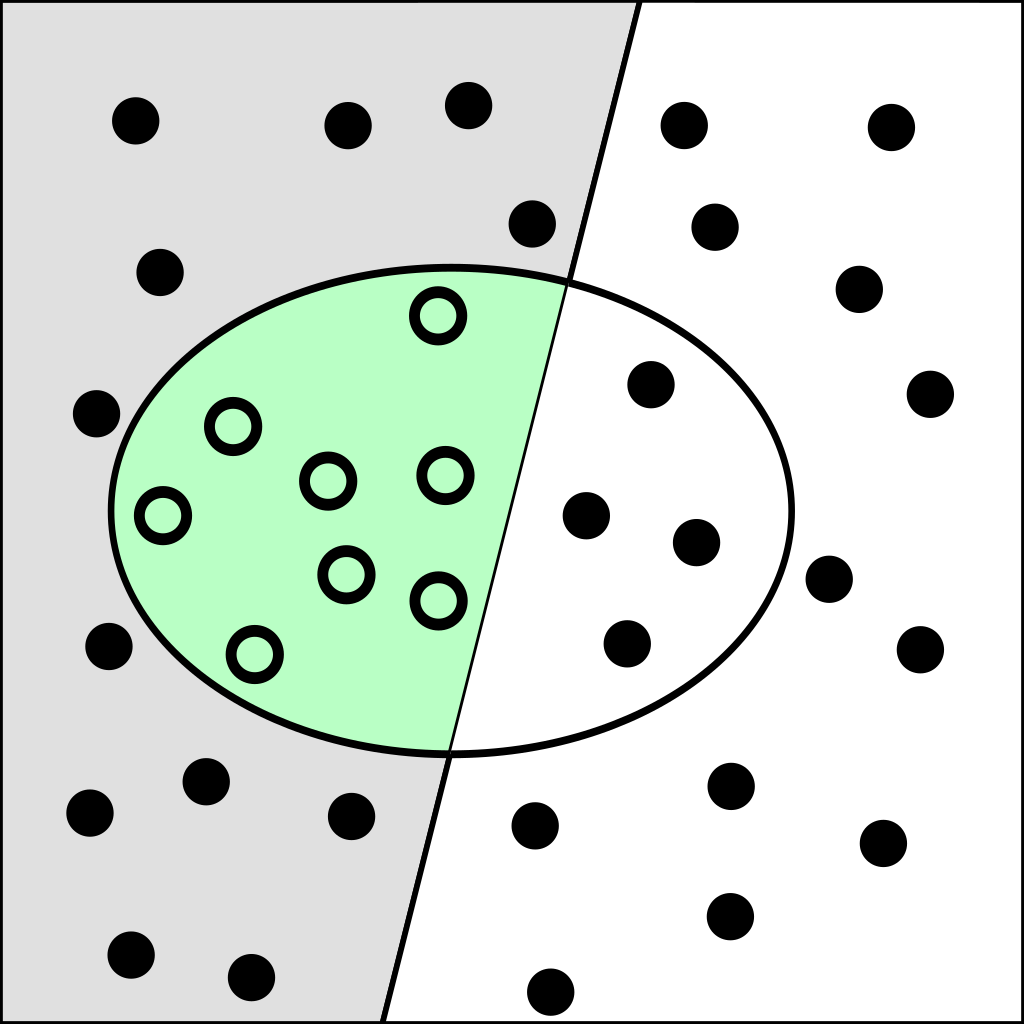
Based on the input’s characteristics, we place it into a specific category
2.2. Unsupervised Learning
In this “genre” of machine learning we have no idea in advance what the result will be.
For example:
- Among 1 million pictures, find a way to group the pictures sharing the same subject (houses, vehicles, people).
- Find and separate out the speech and the music at a noisy party with many kinds of sound (Cocktail Party Algorithm).
These are the opening concepts of Machine Learning; in the later posts you’ll increasingly have to research and dig into more complex and more interesting concepts yourself.
See you in the next posts!